
The sheer volume of complaints to various grievance mechanisms brought against Japan’s megabanks, MUFG, SMBC, and Mizuho, can no longer be considered a set of isolated incidents. It represents a systemic failure.
Over the past decade, civil society organizations, First Nations groups, and affected communities have repeatedly accessed grievance mechanisms to raise serious concerns about financing by the Megabanks. The acceleration of these complaints show the banks’ underlying risk screening mechanisms are failing to catch (or are actively ignoring) operational, human rights, and environmental liabilities repeatedly creating reputational and legal risk for the megabanks and their shareholders.
To safeguard vulnerable communities and long-term shareholder value, Japanese financial institutions must overhaul their internal governance by implementing an actionable risk escalation framework backed by mandatory board-director oversight.
Description of each complaint:
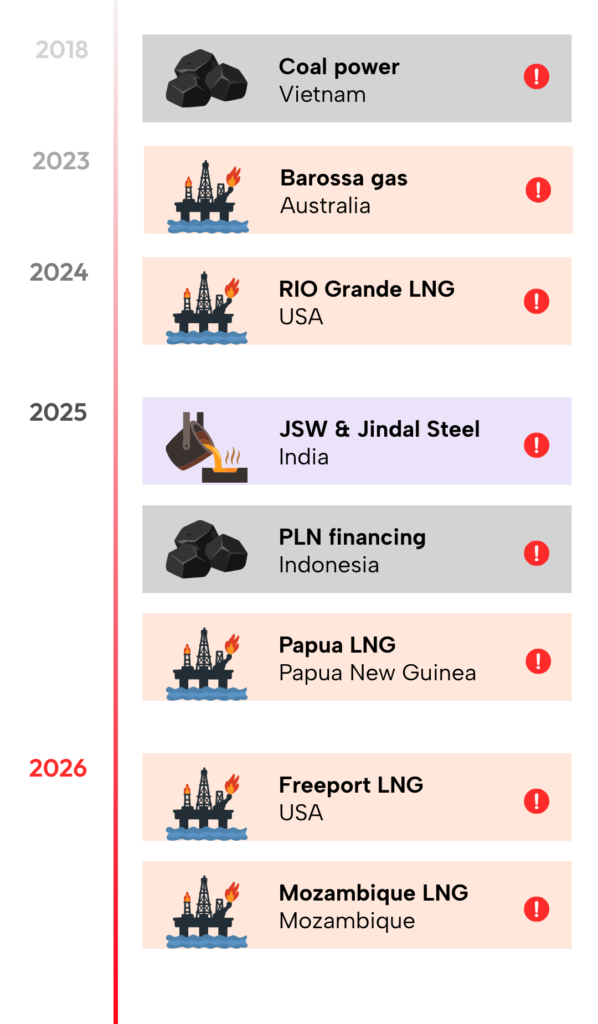
- Mozambique LNG, Mozambique – June 2026 – OECD complaint filed alleging severe human rights abuses, community displacement, militarization, and fueling regional conflict in Cabo Delgado alongside massive lifecycle greenhouse gas emissions.
- Freeport LNG, USA – May 2026 – Complaints brought by Gulf Coast communities alleging harms resulting from major safety explosions and ongoing toxic emissions, including health impacts.
- Papua LNG Equator Principles, Papua New Guinea – December 2025: Complaint on alleged violations of the Equator Principles, including biodiversity destruction in pristine ecosystems and inadequate consultation with local Papua New Guinea communities.
- Funding to PLN, Indonesia – August 2025: Financing provided to Indonesia’s state utility highlighted ongoing reliance on coal-fired power generation, alleging harm to human health, directly contradicting corporate net-zero pledges and transition finance commitments.
- JSW and Jindal Steel, India – May 2025: Affected local communities launched complaints alleging forced land acquisition, pollution, loss of livelihoods, and human rights violations tied to steel plant operations and coal supply chains funded by megabanks.
- Rio Grande, Texas LNG, and Rio Bravo Pipeline, USA – September 2024: Indigenous Carrizo/Comecrudo Tribe delegates and local community members traveled to Japan to challenge funding for LNG export terminals in Texas, alleging destruction of sacred lands and severe environmental justice concerns.
- Barossa Gas project, Australia – November 2023: Allegations centered on the failure to secure Free, Prior, and Informed Consent (FPIC) from Tiwi Islands Traditional Owners, alongside imminent risks to marine biodiversity and the desecration of sacred sea country by offshore gas infrastructure.
- Coal power in Vietnam – September 2018: Allegations centered on a lack of affected community consultation, air quality degradation, severe health impacts, and climate risk connected to financing coal-fired power plants (including Nghi Son 2 and Vung Ang 2) in Vietnam, breaching OECD Guidelines for Multinational Enterprises.
Photos
Complaints regarding Rio Grande, Texas LNG, and Rio Bravo Pipeline, USA:
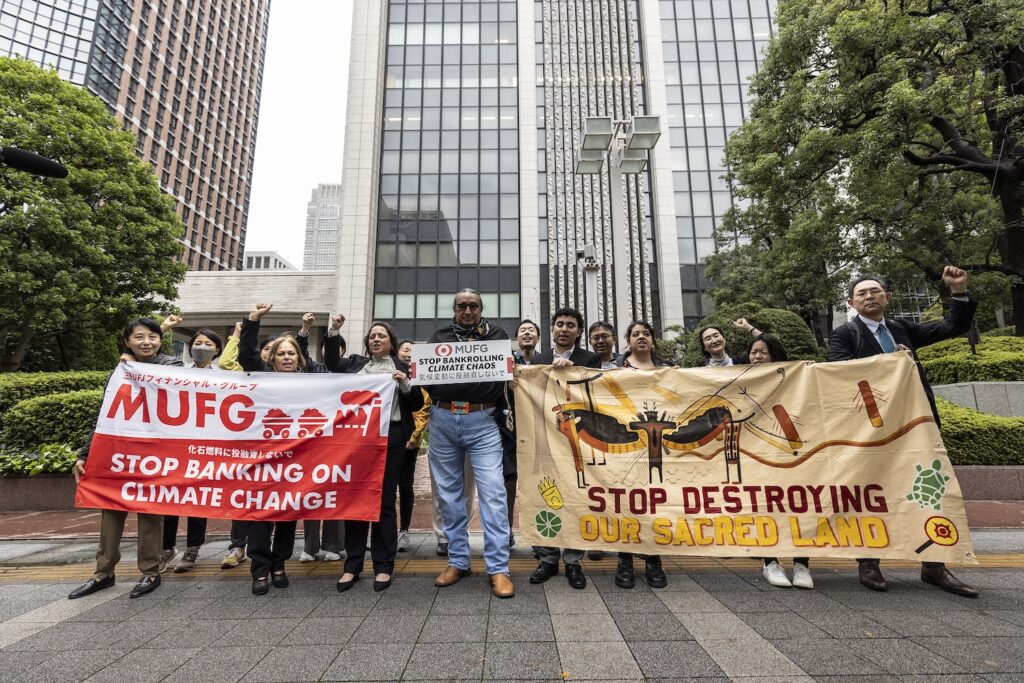
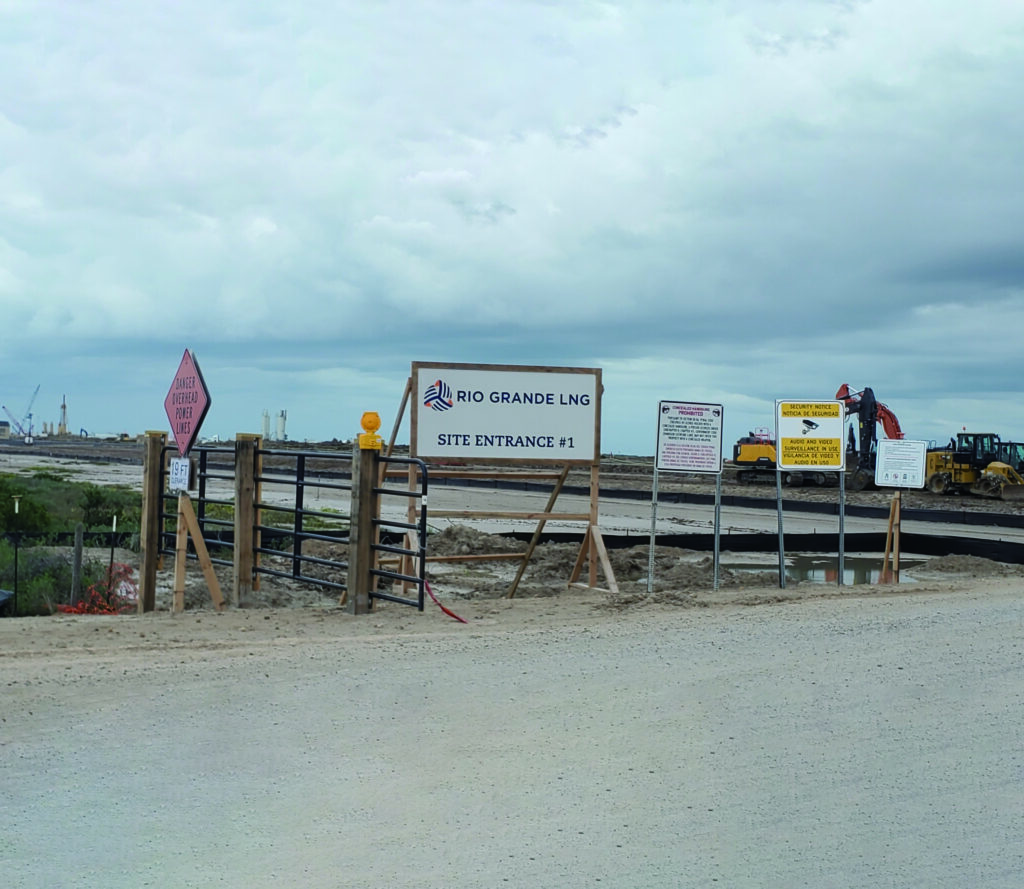
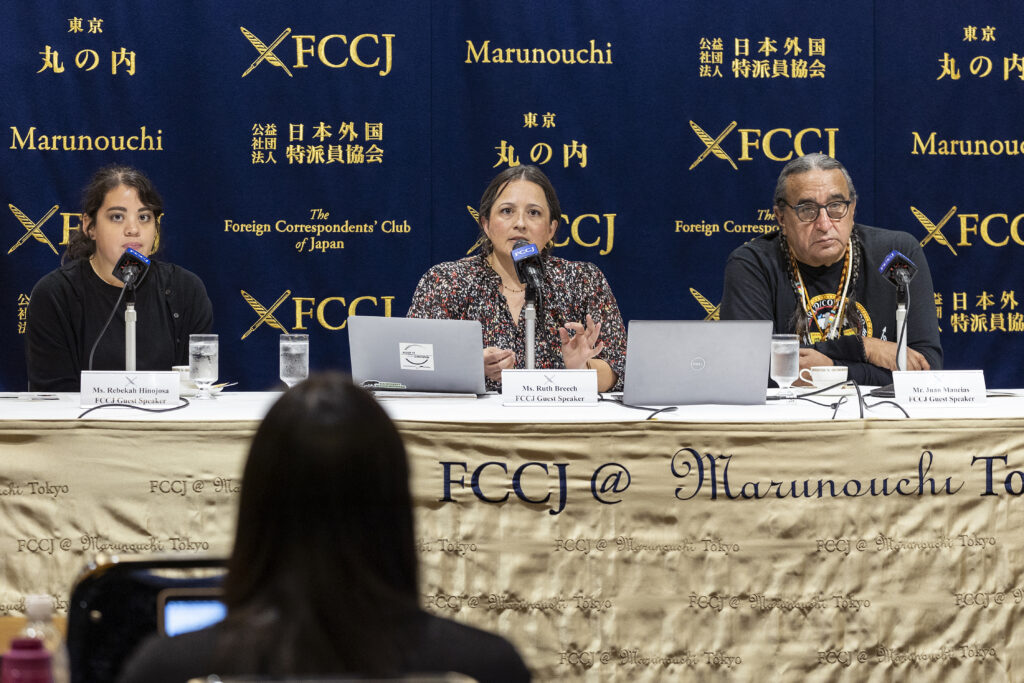
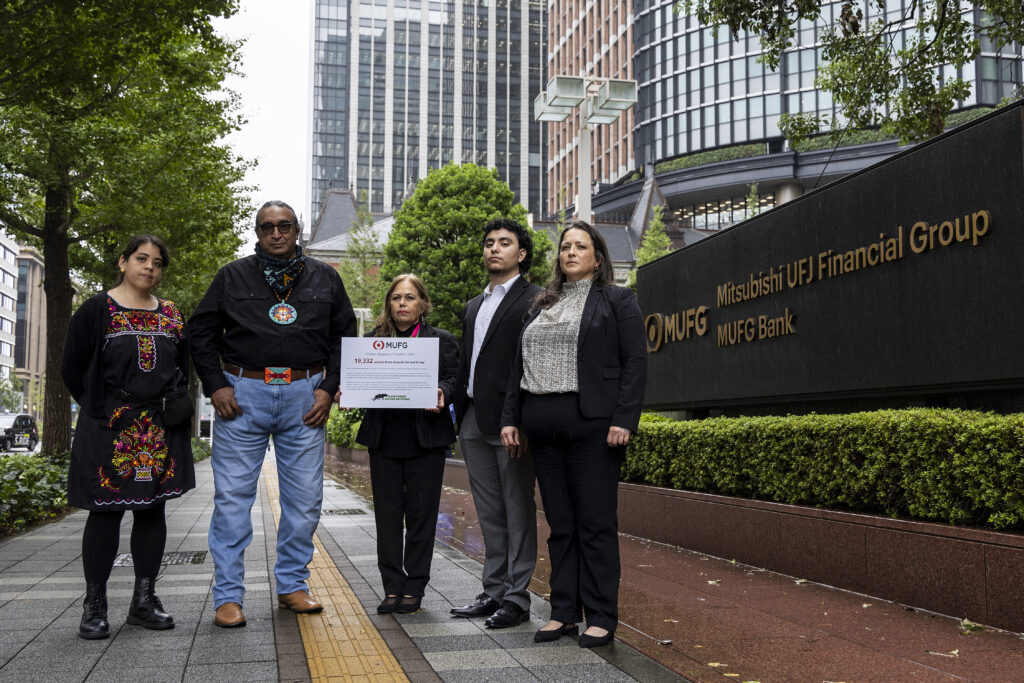
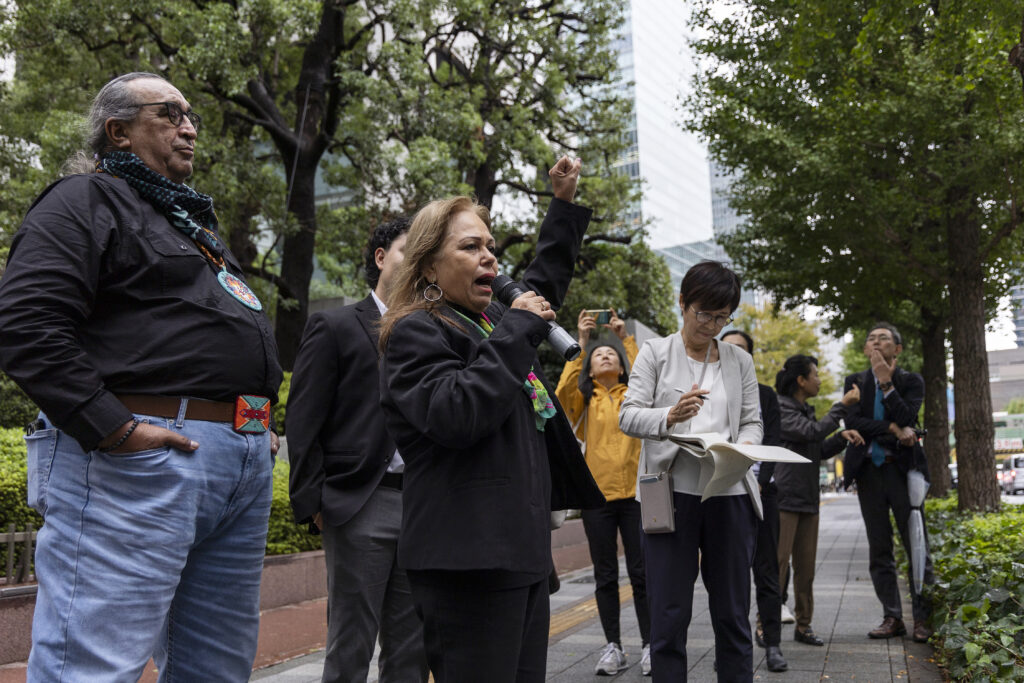
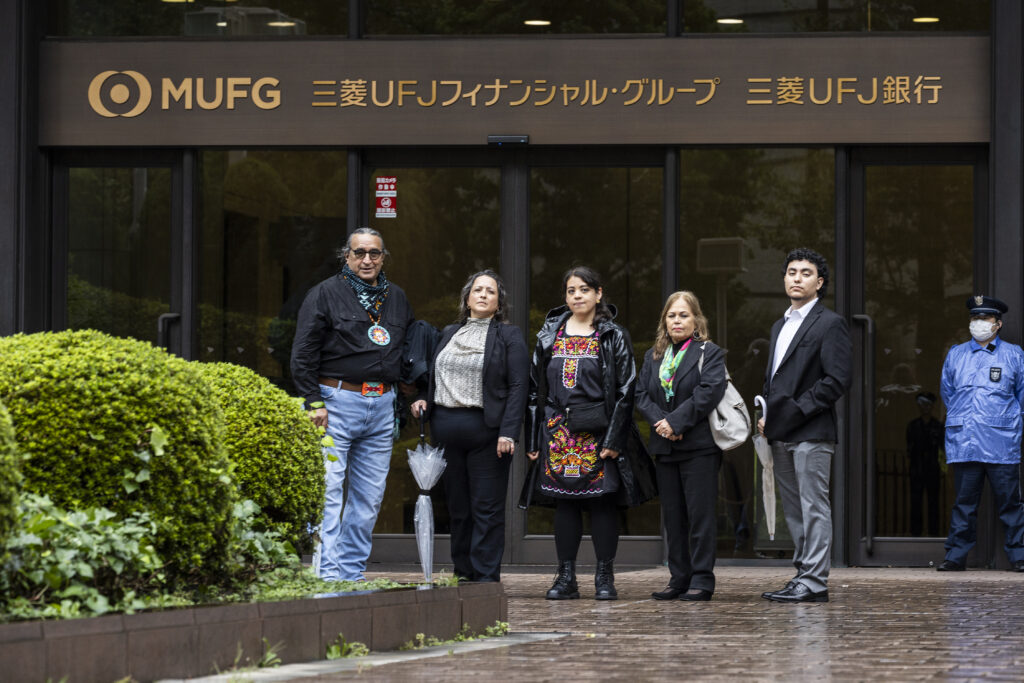
photo credit: ©︎ Bekah Hinojosa / (SOTXEJN) (top center), ©︎ RAN / Masaya Nod (all others)
Complaints regarding Freeport LNG, USA:
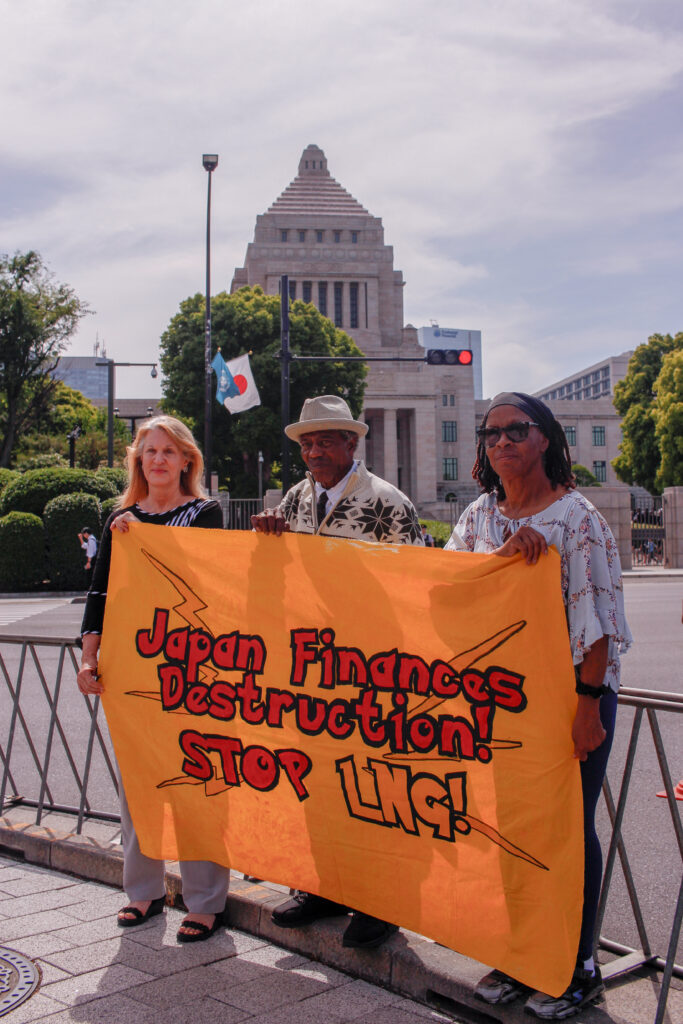
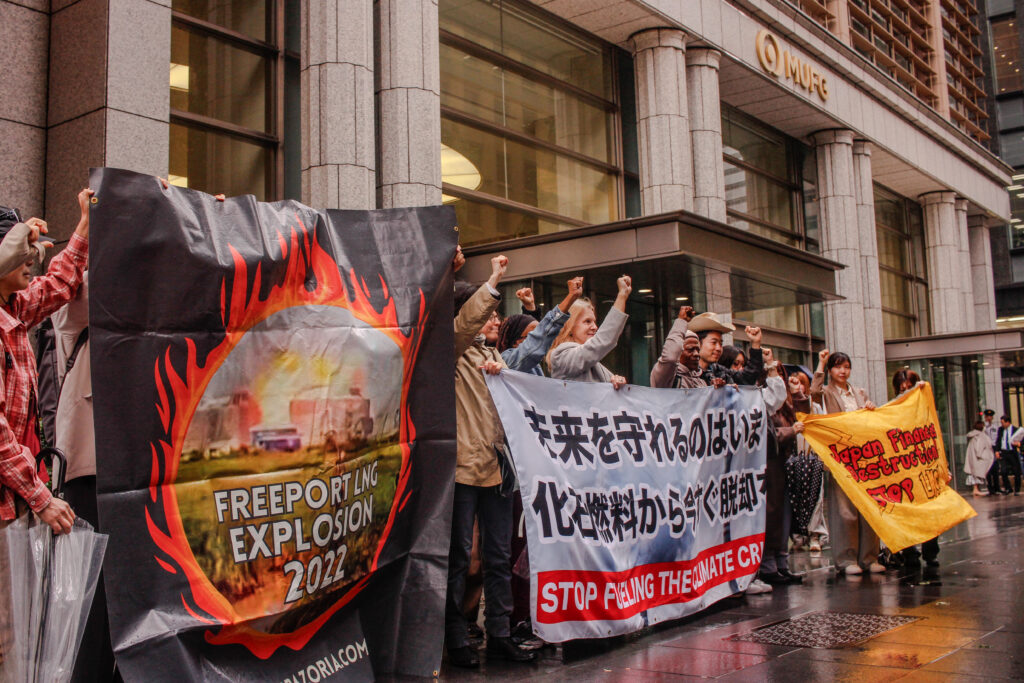
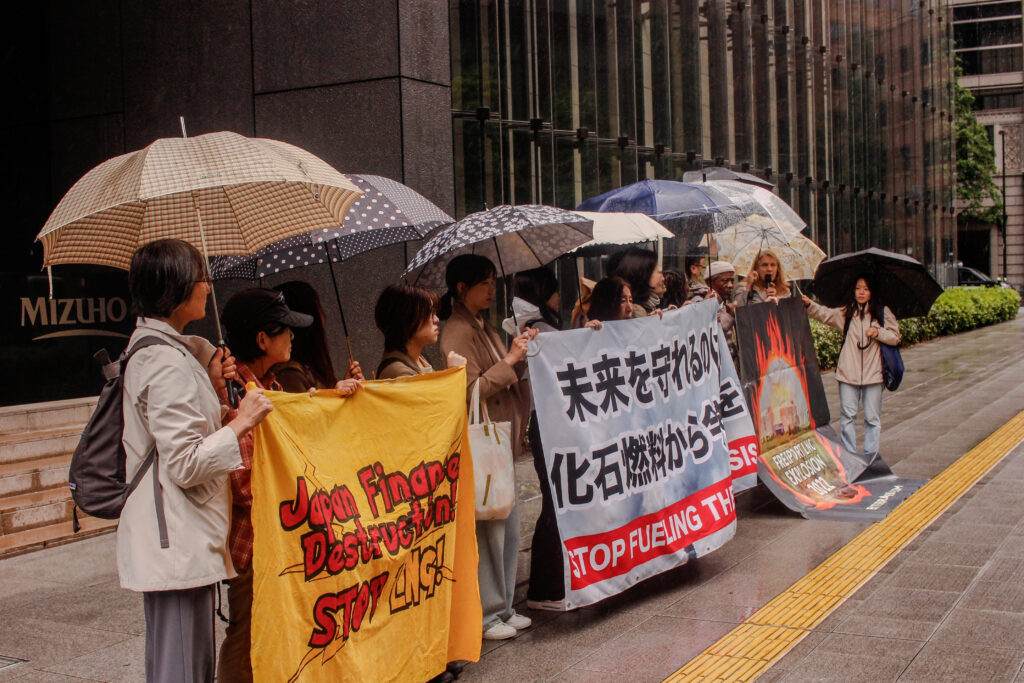
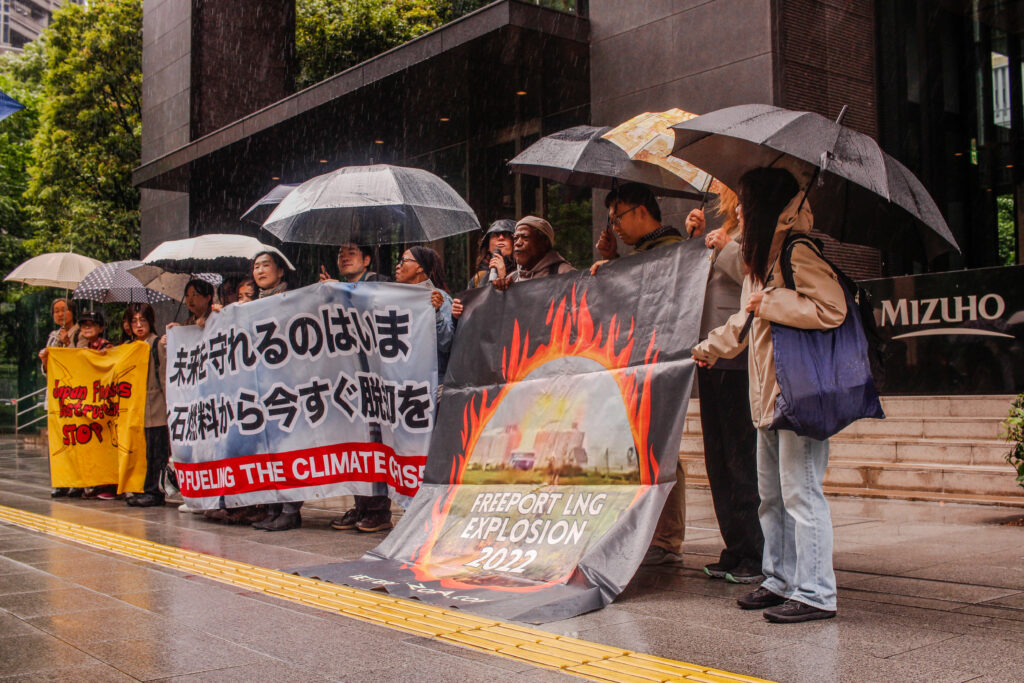
photo credit: Max Schafer for Oil Change International
Complaints regarding JSW and Jindal Steel, India:
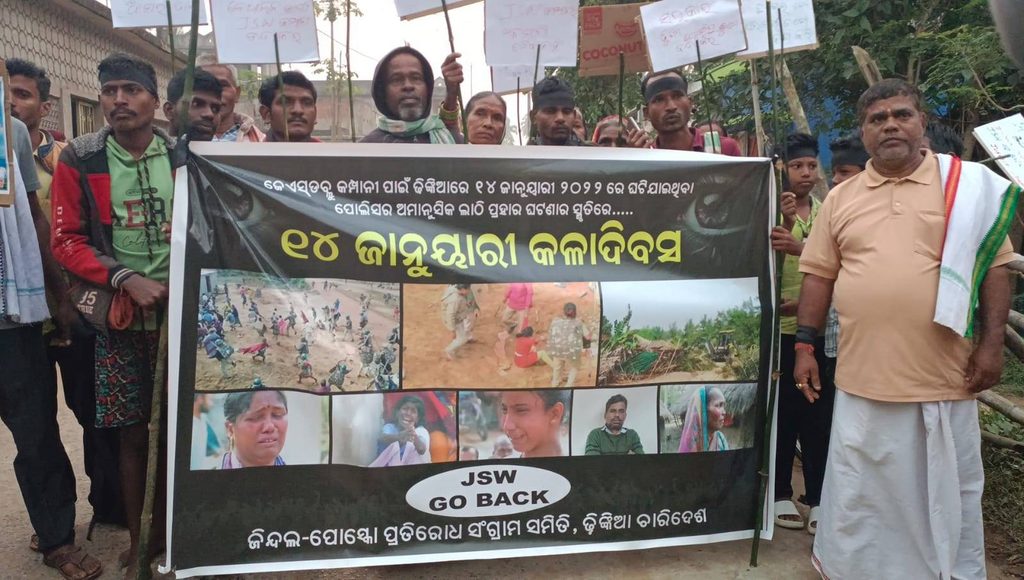
Villagers of Dhinkia observe a “Black Day” on 14 January 2025 to commemorate the 3-year anniversary of the Odisha police injuring hundreds of peaceful protestors opposing the JSW Utkal Steel project.
photo credit: Mr. Susant Sekhar Swain and Gautam Das
Why this pattern continues:
- Due diligence appears to be a tickbox exercise: Environmental and social due diligence may be treated as an administrative milestone to pass prior to deal closing, rather than a continuous monitoring protocol. For example, when these issues are raised, the banks have routinely claimed that they comply with the laws of the countries they operate in. Nevertheless, regulatory compliance is not risk management, especially in countries with weak enforcement or conflict.
- Risk governance is siloed from-decision making: Sustainability and ESG teams are often isolated from the frontline deal-origination teams, meaning commercial targets can override red flags of longer-term risk in favour of closing the deal. Moreover, boards of directors, which act as the ultimate arbiter of risk appetite, are not invited into the decision-making, leading to systematic approval of high-risk transactions.
- Banks appear unwilling to engage in escalation: When affected communities raise early red flags (before ground-level impacts trigger formal public complaints), banks lack clear internal pathways and incentives to halt disbursements or require corrective action plans from borrowers.
How do we change the pattern:
- Board-Level Escalation Framework for high-risk projects: Establish a direct mandate requiring material environmental and social risks (such as OECD complaints or lack of FPIC) to be escalated directly to the Board Risk/Audit Committee. Independent directors must hold explicit power to freeze fund disbursements or reject transactions.
- Binding Threshold Triggers & Contractual Covenants: Pre-define non-negotiable triggers that automatically halt project financing (e.g., formal OECD complaint acceptance, unresolved human rights allegations, or active litigation regarding Indigenous consent) embedded directly into financing contracts as conditions precedent and covenants, granting the bank the explicit right to temporarily freeze disbursements pending independent due diligence and requiring an approved corrective action plan before any further funding is released.
- Disclose active risk management: Board must report on (omitting confidential information) incidents which were escalated to the Audit/Risk Committee for review and include actions that were taken to manage risk.
Without structural escalation and genuine director oversight, Japanese megabanks will continue to face compounding reputational, legal, and financial liabilities across their global portfolios, risks that can be passed on to their investors and other stakeholders.